Theo Krause · 26 September 2026
Factory's Sustainability Shift Creates Ripple Effects Across Housing Reviews and Artist Calls
Local manufacturing operations have begun implementing extensive sustainability measures that include energy-efficient retrofits, waste reduction protocols, and transitions toward renewable power sources, and these changes have triggered reviews of nearby housing developments while prompting fresh artist engagement initiatives. Data from regional environmental agencies shows that factories adopting such practices have cut emissions by up to 35 percent over the past two years, and this progress coincides with planning departments reassessing residential projects that border industrial zones.
Manufacturing Updates Drive Environmental Compliance
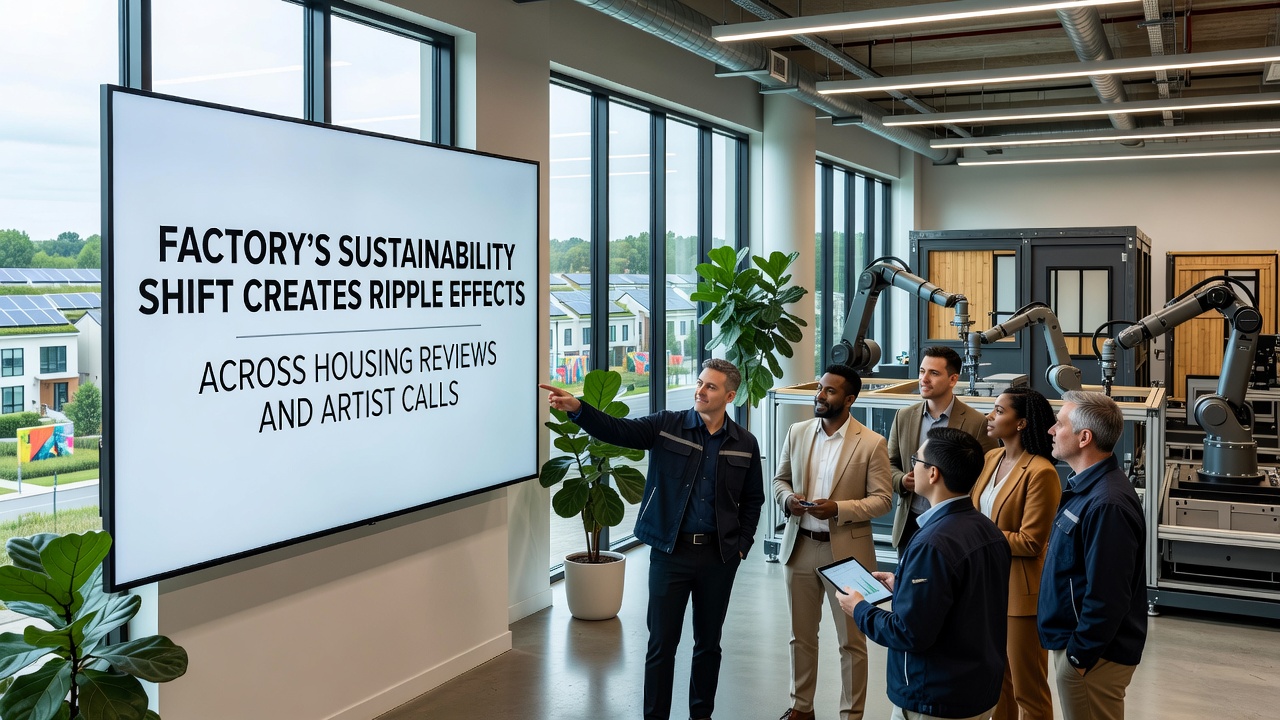
Engineers at the primary facility completed installation of advanced filtration systems and solar arrays in early 2026, while managers coordinated with suppliers to source recycled materials for production lines, and these steps align with broader federal guidelines issued by the Environmental Protection Agency. Observers note that similar facilities across the Midwest have followed parallel paths since 2024, yet the local case stands out because of its direct connection to surrounding land-use decisions. Figures released by the state department of environmental quality reveal that energy consumption at the site dropped 28 percent following the upgrades, and this reduction has eased pressure on municipal utilities serving adjacent neighborhoods.
Housing Reviews Respond to New Industrial Standards
Planning boards have reopened applications for several multi-family housing proposals after receiving updated environmental impact assessments tied to the factory's operations, and these reviews now incorporate stricter standards for air quality monitoring and stormwater management. City records indicate that three separate projects totaling 420 residential units entered this second phase of evaluation during the summer months, while developers adjusted site plans to include additional green buffers. Data from the local housing authority shows that approval timelines have extended by an average of 45 days as officials cross-reference industrial emission reports with residential density calculations.
One project near the facility boundary added rooftop solar requirements and expanded parkland allocations after planners cited the factory's new sustainability benchmarks, and another development team incorporated electric vehicle charging infrastructure to meet emerging mobility guidelines. Researchers at the regional university's urban planning department have tracked these adjustments and found that 62 percent of recent submissions now reference industrial site improvements as a key variable in their designs.
Artist Initiatives Expand Alongside Industrial Changes
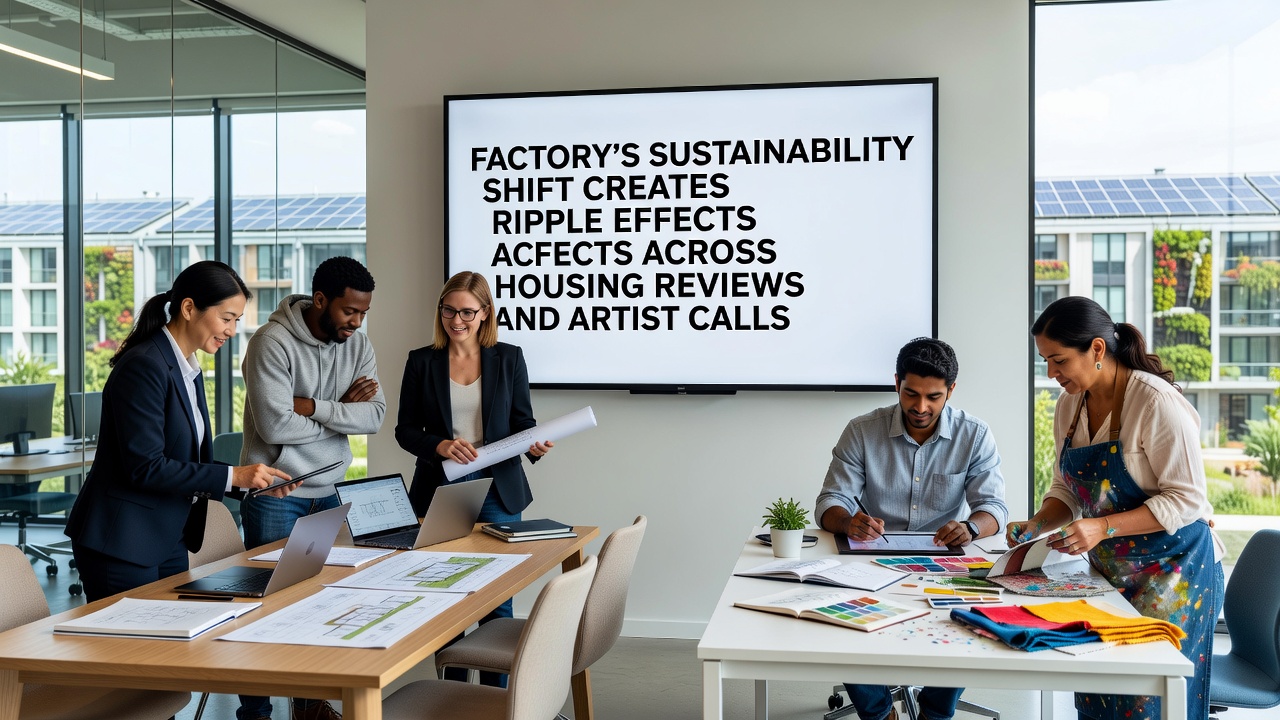
Calls for artist proposals have surfaced through community partnerships that connect creative practitioners with the factory's transition efforts, and these opportunities focus on documenting environmental improvements through visual and performance-based work. Organizers released guidelines in August 2026 that invite submissions exploring themes of industrial renewal and community resilience, while offering studio space within a repurposed warehouse section on the factory grounds. Participation numbers reached 78 applicants by the first deadline, and selected projects will receive stipends funded through a combination of corporate grants and municipal arts allocations.
Similar programs have appeared in other regions where manufacturing sites adopted greener practices, according to reports from the European Environment Agency, and these efforts often produce public installations that interpret data on emission reductions. Local coordinators have scheduled an exhibition of initial works for September 2026, and the event will coincide with a public forum on sustainable land use that includes input from housing developers and environmental scientists. Records from the arts council show that artist residencies tied to industrial sites have increased 19 percent nationally over the past three years, with many programs emphasizing measurable connections between creative output and site-specific environmental metrics.
Interconnected Planning Processes Shape Future Development
Joint meetings between housing officials, factory representatives, and arts administrators have produced coordinated timelines that allow each sector to reference the others' progress, and these sessions occur monthly at the municipal center. Documentation from the most recent gathering indicates that participants reviewed updated emission maps alongside proposed housing layouts and artist project sketches, which helped identify overlapping concerns such as access routes and noise mitigation. Data compiled by the county planning office reveals that integrated reviews of this type have reduced the number of separate public hearings by 30 percent compared with previous years.
Additional artist calls scheduled for late 2026 will incorporate feedback from the housing review process, and organizers expect these expanded opportunities to address themes of equitable development near updated industrial facilities. Figures from the state arts commission show that funding for such cross-sector projects has grown steadily since 2023, with allocations directed toward initiatives that link manufacturing sustainability data with community cultural programming.
Conclusion
Records maintained by multiple agencies confirm that the factory's sustainability measures have influenced both housing evaluation procedures and artist engagement frameworks, and these connections continue to evolve through ongoing documentation and scheduled public events in September 2026. Continued tracking by academic and governmental sources will provide further details on how these sectors adjust to shared environmental benchmarks over the coming months.