Elena Jung · 12 September 2026
Artist Residency Opportunities Emerge Alongside Green Manufacturing Shifts and Housing Reviews
Communities across multiple regions have seen artist residency programs expand in areas where green manufacturing initiatives have accelerated since 2024, with housing policy reviews creating new pathways for creative spaces in repurposed industrial zones. Data from the U.S. Environmental Protection Agency shows that investments in sustainable production facilities reached $47 billion in 2025, prompting local governments to reassess zoning and residential stock near these sites. Those assessments have opened doors for artist housing models that combine studio access with updated energy standards.
Green Manufacturing Transitions Drive Site Repurposing
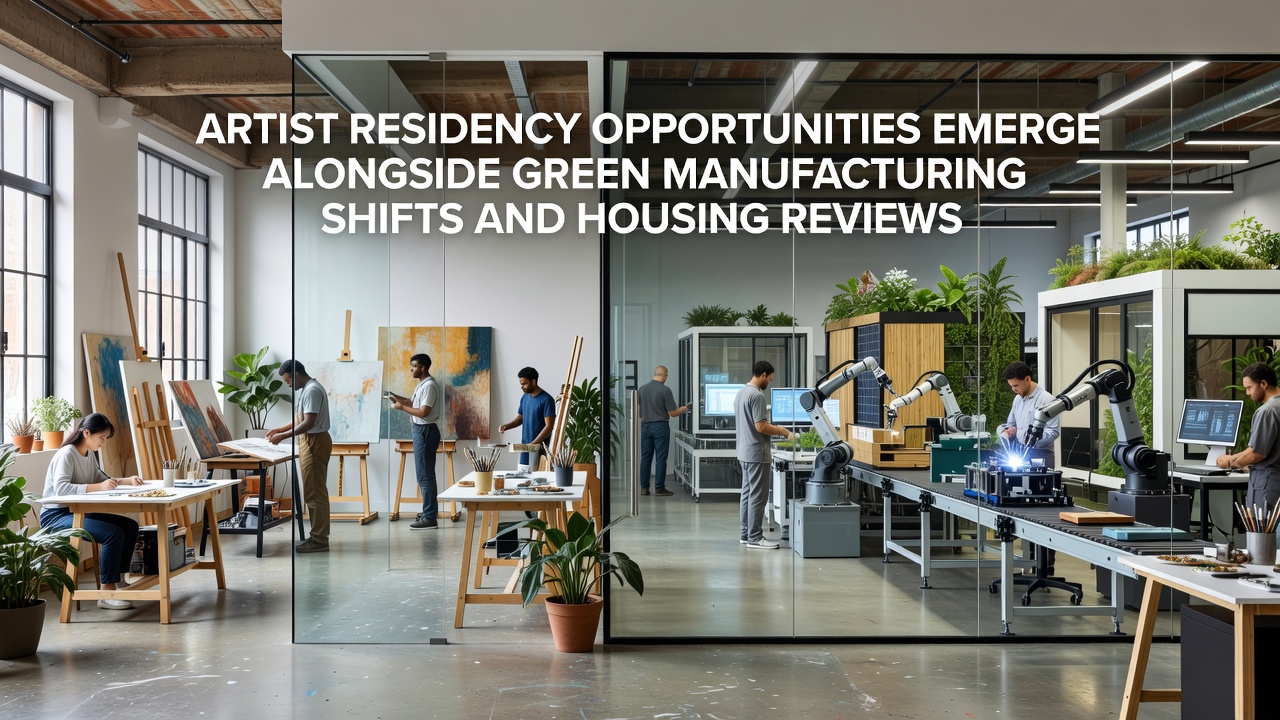
Manufacturing districts that adopted low-emission processes have released former factory buildings for mixed-use redevelopment, and September 2026 marks the rollout of several pilot programs in the Northeast and Midwest where such conversions include dedicated artist workspaces. Reports from the European Environment Agency indicate that similar shifts in the EU have reduced industrial carbon output by 18 percent over two years while freeing 2.3 million square meters of underutilized floor space. Observers note that municipalities have paired these changes with updated permitting rules that prioritize projects blending production, residential, and cultural functions.
One study conducted by researchers at the University of Toronto documented how Canadian provinces adjusted manufacturing corridors to meet net-zero targets by 2030, resulting in artist residency applications rising 27 percent in those same corridors during 2025. The integration occurs because green retrofits often require flexible interior layouts that suit both light assembly operations and creative practice areas.
Housing Reviews Shape Availability for Creative Tenants
Local housing reviews conducted in 2025 examined vacancy rates, energy efficiency, and affordability near emerging green plants, and findings revealed that properties previously classified as industrial could meet updated residential codes when paired with shared studio facilities. Figures from Australia's Department of Climate Change, Energy, the Environment and Water reveal that 14 percent of reviewed sites in Victoria state now qualify for artist live-work permits after efficiency upgrades. These reviews have produced standardized application processes that allow residency operators to secure long-term leases at reduced rates compared with traditional commercial space.
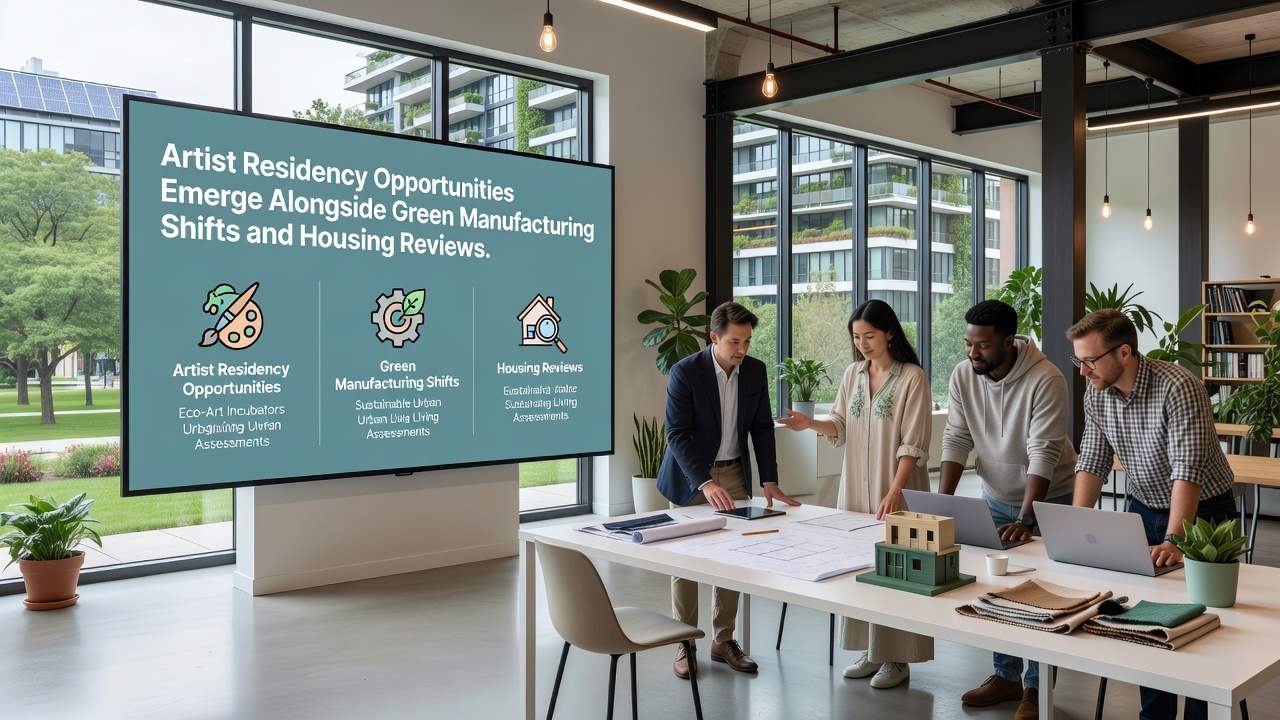
Programs scheduled to begin intake in September 2026 will accept applications from both domestic and international artists, with selection criteria emphasizing projects that address environmental themes or use sustainable materials. Housing authorities have required that at least 30 percent of units in participating buildings meet passive-house standards, and this requirement has aligned with grant structures offered through the National Endowment for the Arts for energy-conscious creative facilities.
Combined Models Create New Residency Formats
Residency operators have responded by designing hybrid programs where participants spend part of their stay contributing to community education on sustainable practices while maintaining studio time. Data compiled by the Canada Council for the Arts shows that 62 residencies opened between January 2025 and June 2026 incorporated green manufacturing partners as site hosts, providing access to fabrication equipment previously reserved for industrial use. Participants gain exposure to advanced recycling systems and low-impact production methods that can inform their own work.
Those who have tracked these developments point to coordinated permitting timelines that synchronize manufacturing expansions with housing certifications and cultural grants. In one documented case in the Pacific Northwest, a former textile plant converted to battery component assembly also received approval for 18 artist units after a housing review confirmed compliance with updated seismic and insulation requirements. The facility now hosts quarterly open studios that draw local residents and supply-chain workers.
Funding Streams and Application Pathways
Multiple funding sources have aligned to support these residencies, including federal manufacturing tax credits that extend to cultural tenants when buildings meet green certification thresholds. Research from the OECD Environment Directorate indicates that cross-sector projects of this type have attracted an average of $3.2 million in blended public and private capital per site. Artists applying for September 2026 placements will submit portfolios alongside proposals that outline potential collaboration with manufacturing partners, and review panels include representatives from both arts councils and economic development agencies.
Regional housing boards have published updated guidelines that list eligible properties and outline utility cost-sharing arrangements between manufacturing tenants and residency programs. These documents detail how shared infrastructure such as solar arrays and water recycling systems can lower operating expenses for all occupants, creating measurable reductions in monthly fees compared with standalone artist housing.
Conclusion
Artist residency opportunities have expanded in direct response to documented shifts in green manufacturing locations and the outcomes of systematic housing reviews, with September 2026 serving as a key milestone for new program launches. The pattern connects updated industrial sites, revised residential standards, and creative workspace access through coordinated policy and investment frameworks. Continued tracking by government agencies and research institutions will determine how widely these models replicate in additional regions.